
Pot lights have become one of the most popular lighting choices for modern homes. Their sleek appearance, energy efficiency, and ability to provide even lighting make them a great option for kitchens, living rooms, basements, bathrooms, and outdoor spaces. However, before pot lights can be safely installed, a licensed electrician must carefully inspect several important factors.
Professional installation is not only about cutting holes in the ceiling and wiring fixtures. A licensed electrician evaluates your home’s electrical system, ceiling structure, insulation, wiring safety, and lighting layout to ensure the installation is safe, efficient, and compliant with electrical codes.
At Potlight Master, licensed electricians perform detailed inspections before every pot light installation to ensure long-lasting and safe lighting solutions for homeowners.
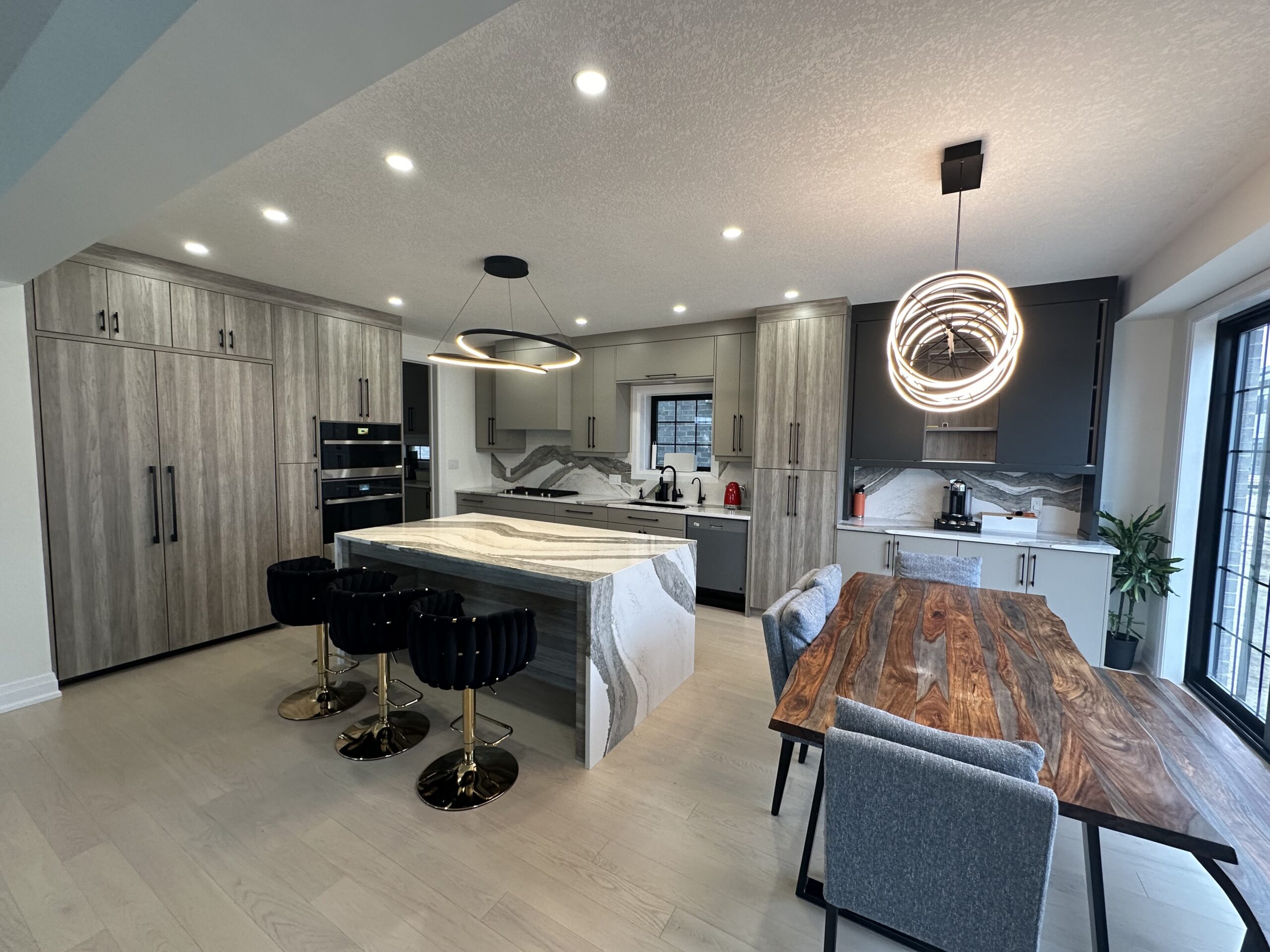
Pot light installation involves electrical wiring, ceiling modifications, and proper fixture placement. Improper installation can lead to:
A licensed electrician understands local electrical regulations and safety standards, helping prevent costly problems later.
Professional planning also ensures your lighting looks balanced and functions properly throughout the room.
One of the first things an electrician checks is your home’s electrical panel capacity.
Pot lights increase the electrical load on a circuit. Before installation, the electrician determines whether your existing panel can safely handle additional lighting fixtures.
They inspect:
If the panel is already overloaded, the electrician may recommend:
This step is important for preventing breaker trips and electrical hazards.
Licensed electricians carefully inspect the existing wiring before adding new fixtures.
They look for:
Older homes may require wiring upgrades to safely support modern LED pot lights and current electrical standards.
Faulty or aging wiring can increase the risk of:
Before cutting into the ceiling, electricians examine the ceiling structure to determine where pot lights can safely be installed.
They identify:
This helps avoid accidental damage during installation.
Proper spacing is also essential for achieving balanced lighting and avoiding overcrowded fixtures.
In insulated ceilings, electricians check whether insulation-safe fixtures are required.
Some pot lights generate heat, and improper fixture selection may create fire risks when insulation is nearby.
Licensed electricians determine whether:
IC-rated pot lights are specifically designed to safely contact insulation without overheating.
Modern LED pot lights generate less heat than older halogen bulbs, making them a safer and more energy-efficient option for many homes.
Good lighting design is just as important as safe installation. Electricians evaluate the room layout to determine the best placement for pot lights.
They consider:
Poorly placed pot lights can create uneven lighting, glare, or dark spots.
Electricians often follow general spacing guidelines, such as:
For example, lights may typically be spaced approximately 4 to 6 feet apart depending on ceiling height and fixture brightness.
The goal is to create smooth, even illumination throughout the space.
Before installation, electricians also check the compatibility of:
Many homeowners choose dimmable LED pot lights to control brightness levels and improve energy efficiency.
The electrician ensures:
Improper dimmer compatibility can cause:
Not all pot lights are the same. Licensed electricians help homeowners choose the right fixtures based on:
LED fixtures are highly popular because they:
Bathrooms, showers, and outdoor areas require moisture-resistant fixtures designed for damp environments.
These fixtures can direct light toward artwork, walls, or focal points.
Selecting the correct fixture type improves both safety and lighting performance.
If the home has attic access, electricians may inspect the attic space before installation.
This helps them:
Attic inspections can simplify installation and reduce unnecessary ceiling damage.
Licensed electricians ensure the installation complies with local electrical codes and safety regulations.
Code compliance may involve:
Electrical codes exist to reduce safety risks and ensure installations meet professional standards.
Hiring a licensed electrician helps homeowners avoid potential issues during:
Many homeowners install pot lights to improve energy efficiency and lower electricity costs.
Electricians often recommend:
LED pot lights consume significantly less energy than traditional incandescent or halogen bulbs while providing excellent brightness.
Energy-efficient lighting can help reduce long-term utility expenses while improving indoor comfort.
During installation, electricians continue performing safety inspections throughout the process.
They verify:
After installation, the electrician tests each fixture to ensure proper performance and safe operation.
Some homeowners consider DIY pot light installation, but electrical work can be dangerous without proper training.
Licensed electricians provide:
Professional installation reduces the risk of electrical hazards and helps ensure your lighting system performs properly for years.
At Potlight Master, experienced electricians provide professional pot light installation services designed to improve both safety and style in residential spaces.
Pot lights can completely transform the appearance and functionality of a home, but proper preparation is essential before installation begins. Licensed electricians carefully inspect electrical systems, wiring, ceiling structures, insulation, fixture compatibility, and lighting layouts to ensure safe and efficient results.
Professional planning helps homeowners enjoy beautiful lighting while avoiding electrical problems, uneven illumination, and safety risks.
Upgrade your home lighting with professional pot light installation from Potlight Master. Schedule your consultation today for safe, modern, and energy-efficient lighting solutions tailored to your home.