
Lighting is one of the most influential elements in any home. It affects how colors appear, how comfortable a space feels, and even how productive you are throughout the day. While many homeowners focus on fixture styles and brightness, understanding color temperature is essential for creating a well-balanced and functional environment. Selecting the right lighting tone can enhance your interior design, improve visibility, and elevate your overall living experience.
If you are planning a lighting upgrade, understanding color temperature will help you make smarter choices—especially when investing in professional pot light installation for a clean, modern look.
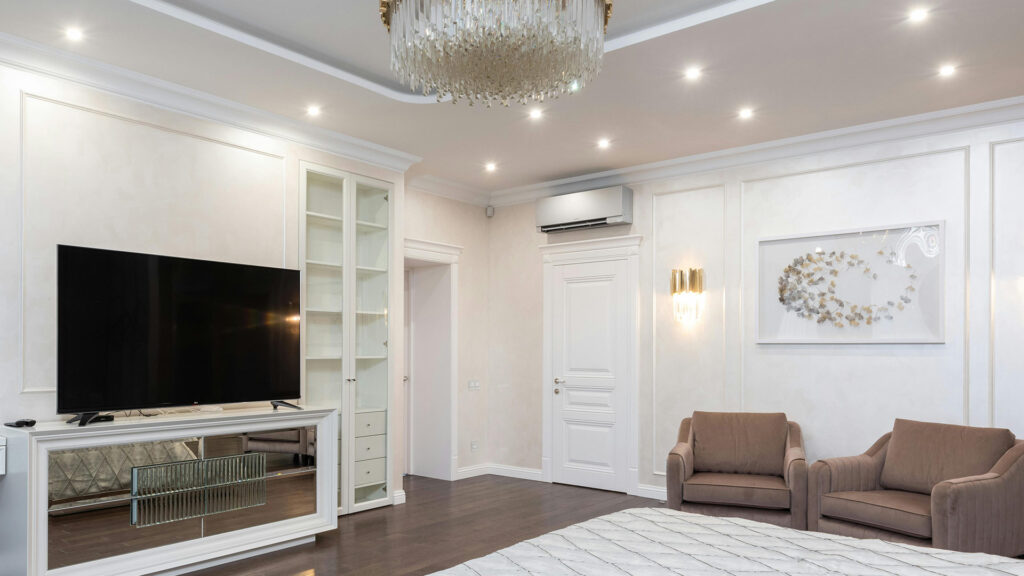
Color temperature describes the tone of light emitted by a bulb and is measured in Kelvin (K). This scale ranges from warm yellow hues to crisp blue tones that mimic natural daylight.
Lower Kelvin numbers create a comfortable atmosphere ideal for relaxation, while higher numbers promote alertness and clarity. Choosing the right temperature ensures each room supports its intended purpose.
Lighting does more than illuminate a room—it shapes how the space is experienced. Poor lighting choices can make a beautifully designed room feel uninviting or cause unnecessary eye strain.
The correct color temperature helps:
Modern LED pot lights allow homeowners to tailor lighting with precision while benefiting from energy efficiency and long-term performance.
The living room is often the heart of the home—a place for relaxing, socializing, and spending time with family. Warm white lighting encourages comfort and creates a welcoming atmosphere for guests.
This softer tone pairs well with natural materials, warm paint colors, and plush furniture, helping the space feel more inviting rather than overly bright.
Lighting Tip:
Install dimmable pot lights to easily adjust brightness for movie nights, gatherings, or quiet evenings.
Kitchens demand clear, reliable lighting for cooking and food preparation. Neutral white provides the perfect middle ground, offering brightness without the harshness of cooler tones.
This temperature improves visibility on countertops, reduces shadows, and helps display true food colors—important for both safety and presentation.
Benefits include:
Strategic pot light placement ensures even illumination across the entire workspace.
Bedrooms should feel calm and restful. Warm lighting supports your body’s natural sleep cycle by signaling that it is time to unwind. Cooler tones, on the other hand, may feel too stimulating before bedtime.
Soft lighting transforms the bedroom into a peaceful retreat while still providing enough visibility for reading or getting ready.
Design Suggestion:
Layer ceiling pot lights with bedside lamps to create flexible lighting zones.
Bathrooms require lighting that is both practical and flattering. Neutral white offers accurate color rendering, making grooming tasks such as shaving or applying makeup easier.
Overly warm lighting can distort colors, while extremely cool lighting may feel too clinical. A balanced tone provides clarity without sacrificing comfort.
For best results:
Combine overhead pot lights with mirror lighting to minimize facial shadows.
A productive workspace depends heavily on proper lighting. Cooler temperatures promote focus, alertness, and mental clarity, making them ideal for home offices.
Daylight-style lighting can also help reduce eye strain during long screen sessions and prevent the room from feeling dull.
Additional advantages:
Position pot lights carefully to avoid glare on computer monitors.
Dining areas benefit from warm lighting that encourages conversation and relaxation. This tone enhances the appearance of meals and creates an inviting setting for gatherings.
Warm light also adds a subtle sense of luxury, making everyday dinners feel more special.
Pair recessed lighting with a decorative fixture above the table to balance ambiance and functionality.
Basements often lack natural sunlight, which can make them feel enclosed. Choosing a slightly cooler color temperature helps brighten the space and create a more open feel.
This approach works particularly well if the basement serves multiple purposes, such as a recreation room, gym, or home theater.
Professionally installed pot lights can distribute light evenly, eliminating dark corners and making the area more usable.
Entryways set the tone for your home, while hallways ensure safe movement between rooms. Neutral white lighting offers the right mix of warmth and brightness to guide the way without overwhelming the eyes.
Consistent lighting in these areas also improves visual flow, helping your home feel cohesive from one space to another.
When selecting color temperature, think about how each room is used rather than relying solely on personal preference.
Warm lighting works best in spaces designed for:
Cool lighting is ideal for areas focused on:
Many homeowners now prefer adjustable LED systems that allow them to modify color temperature depending on the time of day or activity.
Even the highest-quality lighting can fall short if it is poorly installed. Placement, spacing, and beam angles all influence how light spreads throughout a room.
Hiring experienced professionals helps ensure:
Experts can evaluate ceiling height, room size, and layout to recommend the most effective lighting plan.
LED pot lights have become the preferred choice for modern homes due to their durability and efficiency. They consume significantly less electricity than traditional bulbs while providing consistent illumination.
Key advantages include:
Upgrading to LED lighting with the appropriate color temperature supports both sustainability and long-term savings.
Selecting lighting may seem straightforward, but a few common missteps can impact the final result.
Avoid these pitfalls:
A thoughtful lighting strategy ensures every room feels intentional and comfortable.
For the best results, aim for harmony rather than treating each room in isolation. While temperatures may vary slightly depending on function, maintaining a logical progression throughout the home prevents visual disruption.
For example, transitioning gradually from warm living spaces to cooler task-oriented rooms keeps lighting consistent and pleasing to the eye.
Combining well-chosen color temperatures with expertly installed pot lights can dramatically enhance both the appearance and usability of your home, delivering a space that feels inviting, efficient, and perfectly illuminated every day.